
Many people involved in mortar production, construction, and material procurement frequently encounter the problem of
2026-03-22
Many people involved in mortar production, construction, and material procurement frequently encounter the problem of "insufficient perlite usage."
I. What is "Insufficient Usage"? — The Feeling of Losing Money
"Insufficient usage" refers to the difference between the material usage calculated based on actual production or available quantity and the actual purchased quantity, giving the illusion of "reduced usage."
For example: if theoretical calculations indicate the production of 100 cubic meters of mortar, but only 95 cubic meters are actually bagged or loaded, then this "5 cubic meters short" constitutes insufficient usage. This directly leads to increased costs.
II. What Causes Insufficient Usage? — Partial Crushing of Expanded Perlite
The reason lies in the inherent physical properties of expanded perlite,its porous honeycomb structure makes it very fragile, and any external force can cause it to break.
III. Where Does the Loss Occur? — Main Loss Point: Production Stage
Feeding and Mixing: This is the stage with the greatest losses. After being fed into the mixer, perlite is tumbled, sheared, and rubbed against materials such as cement, gypsum, or fly ash by the high-speed rotating blades. This process is similar to putting ping-pong balls and stones into a washing machine, where a large number of perlite particles are pulverized into powder.
IV. How to Solve and Reduce Volume Loss? – “Prevention” and “Strengthening”
While completely avoiding volume loss is difficult, it can be significantly reduced:
“Prevention” – Process Protection
Improve the mixing process: Use the “post-addition method.” Mix all other powders evenly first, then add perlite last. This significantly shortens mixing time and makes the operation gentler.
Choose suitable equipment: Use gentler mixing equipment, such as a double-spiral conical mixer, instead of a traditional horizontal belt mixer to reduce shear forces.
“Strengthening” – Material Upgrading
Use closed-cell perlite: This is one way to solve the volume loss problem. Closed-cell perlite is sintered and melted at high temperatures, forming a vitrified surface and a hard, smooth outer shell. This further improves particle strength and compressive strength.
Extremely low water absorption: The vitrified closed-cell structure avoids a range of problems caused by water absorption.
Less volume loss, more stable insulation performance, higher strength finished mortar, and lower overall cost.
The volume loss of perlite is essentially a trade-off between material properties and industrial processing techniques. We cannot change the inherent "brittleness" of perlite, but we can address such issues by optimizing processes or directly upgrading the material.
Understanding this process not only helps us control costs but is also key to producing stable and reliable mortar products. We hope this information is helpful to your work. If you have better experiences or questions, please feel free to share.
Hot News
-
Microspheres for Tile Adhesive - Yanheal 380 (magnification)
-
Many people involved in mortar production, construction, and material procurement frequently encounter the problem of
-
High-Performance Application of Closed-Cell Perlite in Modified Bituminous Waterproofing Membranes
-
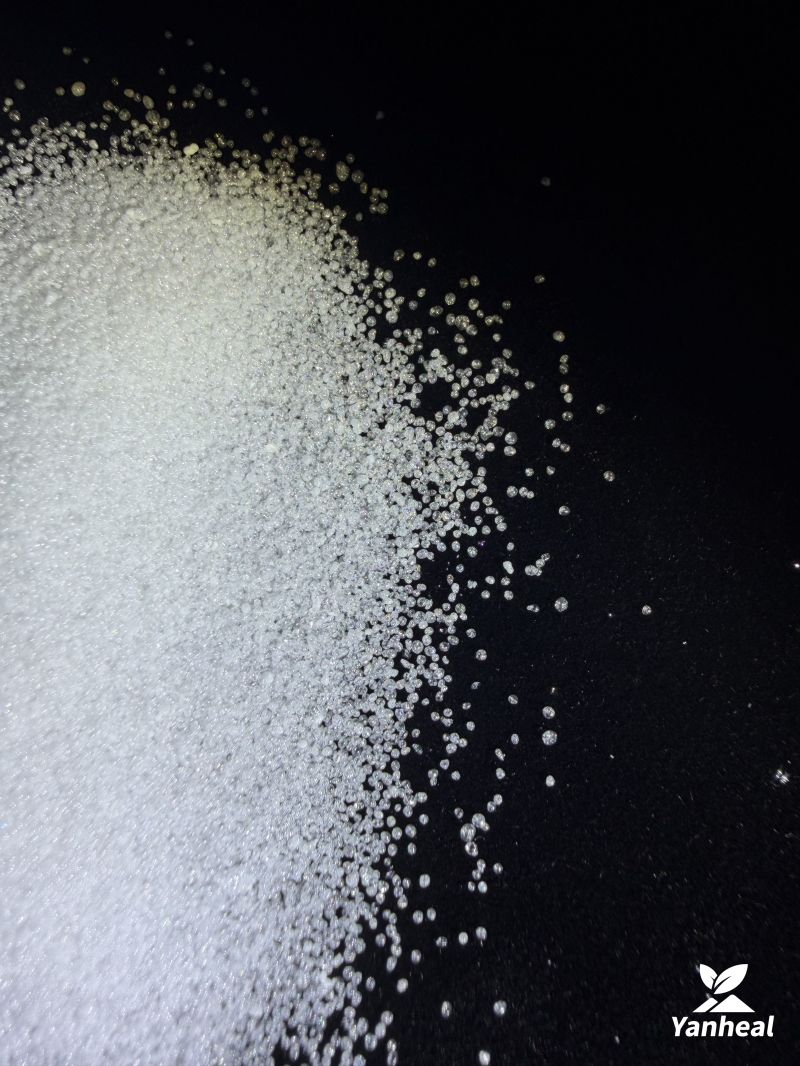
Perlite is one of the raw materials for lightweight plaster. How to choose the right perlite?
-
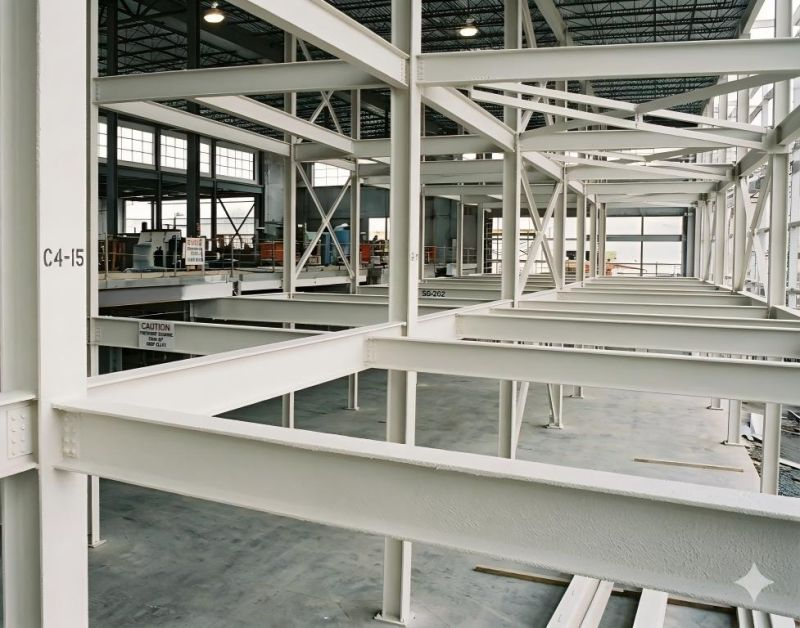
Superior Applications of Closed-Cell Perlite in Fire-Retardant Coatings
-
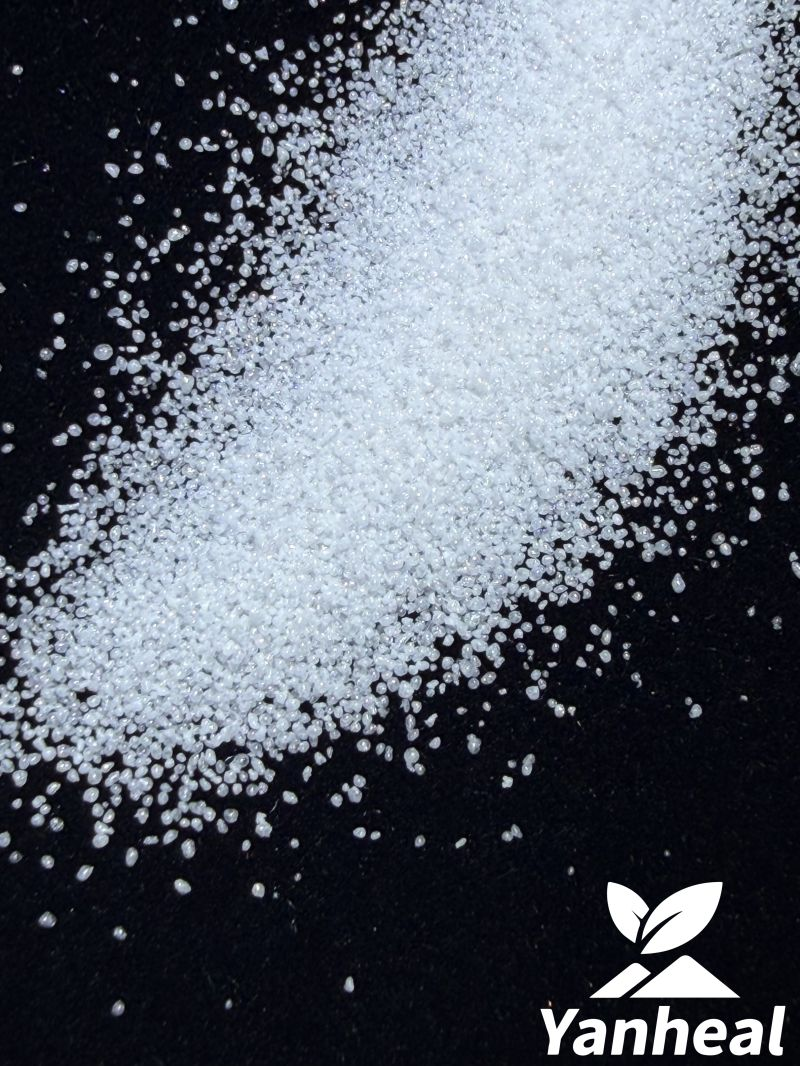
Microspheres for coatings - Yanheal 550 (magnification)

- Contact Us
- Room 501, 5th Floor, Caisheng Building, No. 15 Longhua Road, Datong Street, Longhua District, Haikou City, Hainan Province
- Website: https://www.yanheal.com
- Email: info@yanheal.com
- Mobile: +86 15139791502
Leave a message
- Follow Us


