
High-Performance Application of Closed-Cell Perlite in Modified Bituminous Waterproofing Membranes
2026-03-22
High-Performance Application of Closed-Cell Perlite in Modified Bituminous Waterproofing Membranes
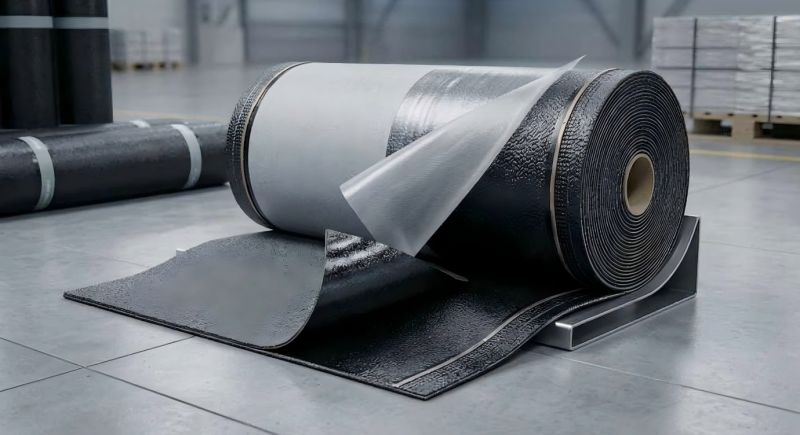
In the current context of the transformation of building waterproofing materials towards "lightweight and high durability," closed-cell perlite (perlite microspheres), with its unique microstructure, is becoming a key functional component of high-performance waterproof bituminous membranes.
Compared to traditional fillers, its core competitive advantages are:
Microsphere Physical Barrier Effect: Closed-cell perlite, in the form of micron-sized closed spheres, forms a stable "ball-like" effect within the bituminous matrix. This not only optimizes the membrane's resistance to flow at high temperatures but also effectively inhibits the molecular thermal motion of bituminous materials after heating, significantly improving the membrane's anti-aging performance.
Reduced System Thermal Conductivity: Its internal vacuum/inert gas microporous structure provides the waterproofing layer with additional thermal shielding capabilities. This "waterproofing-insulation integrated" characteristic effectively alleviates stress fatigue caused by substrate deformation, extending the membrane's service life.
Extremely low oil absorption and lightweight: Due to its vitrified, closed-cell perlite surface, it does not excessively absorb functional oils from modified bitumen, thus ensuring the stability of the formulation. Simultaneously, the significantly reduced weight lowers transportation and construction intensity, meeting the load-bearing requirements of green buildings.
In SBS/APP modified bitumen systems, precisely controlling the dosage and particle size distribution of closed-cell perlite is key to achieving a balance between high tensile strength and dimensional stability of the waterproof membrane.
Experts in the field of new materials are welcome to discuss the optimal formulation of closed-cell perlite in composite waterproof layers.
Hot News
-
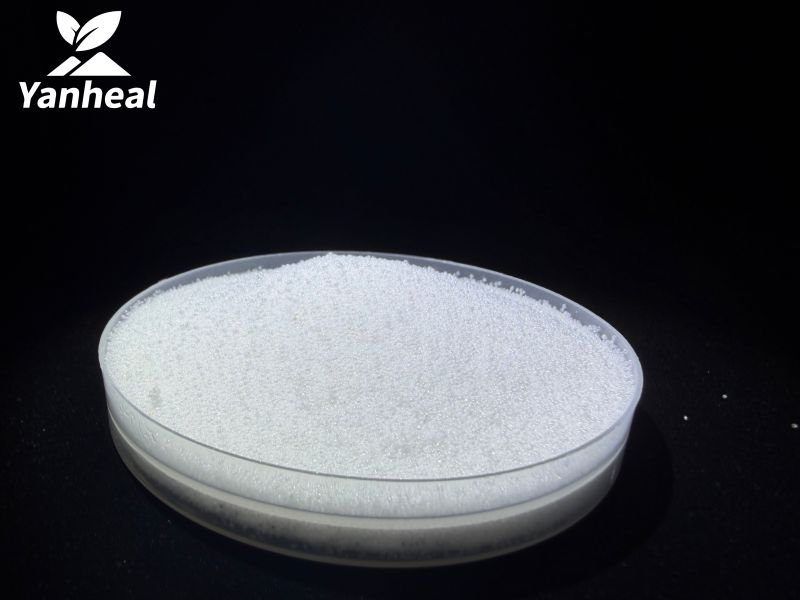
Microspheres for Tile Adhesive - Yanheal 380 (magnification)
-
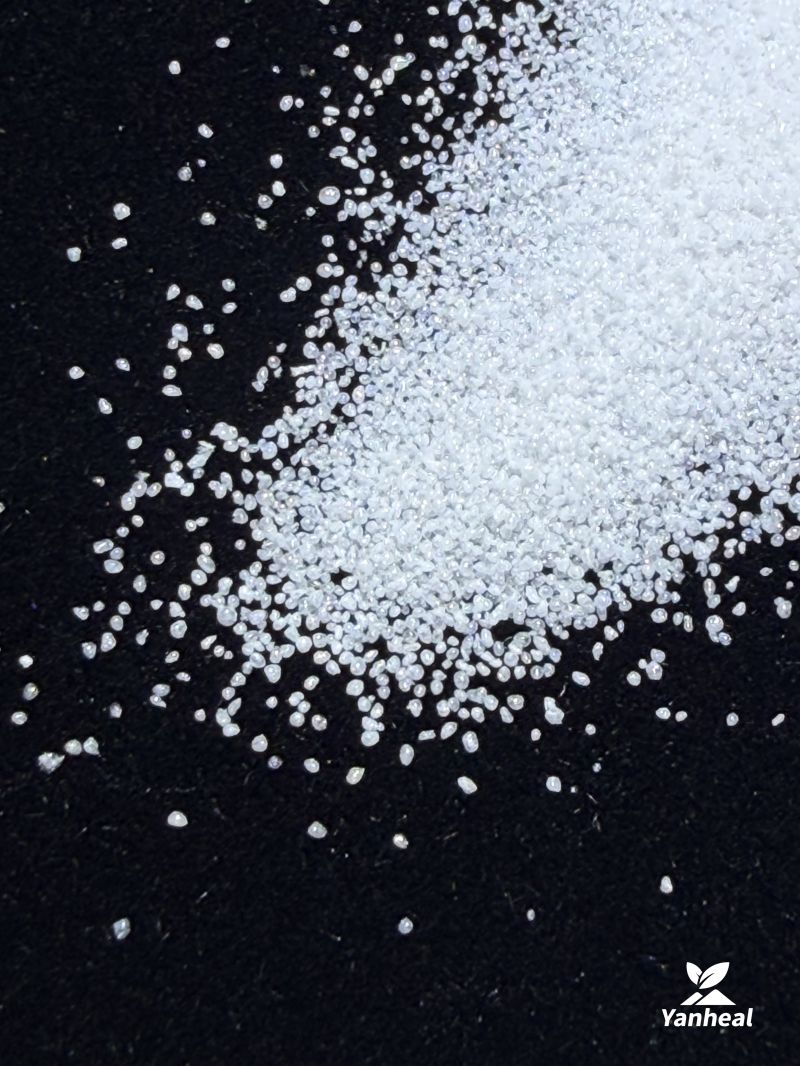
Many people involved in mortar production, construction, and material procurement frequently encounter the problem of
-
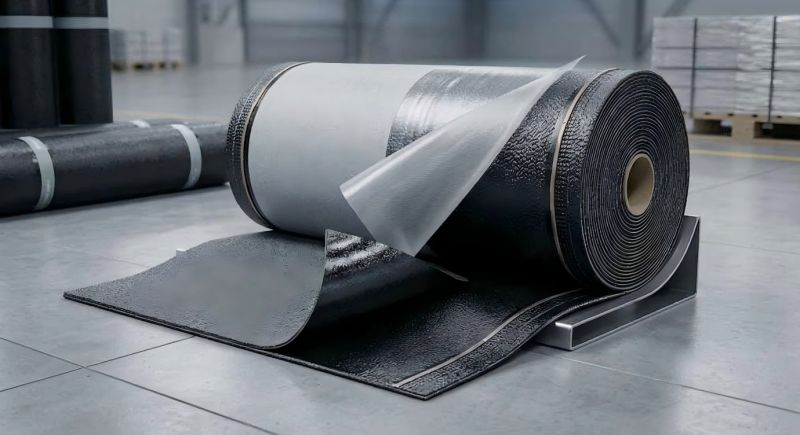
High-Performance Application of Closed-Cell Perlite in Modified Bituminous Waterproofing Membranes
-
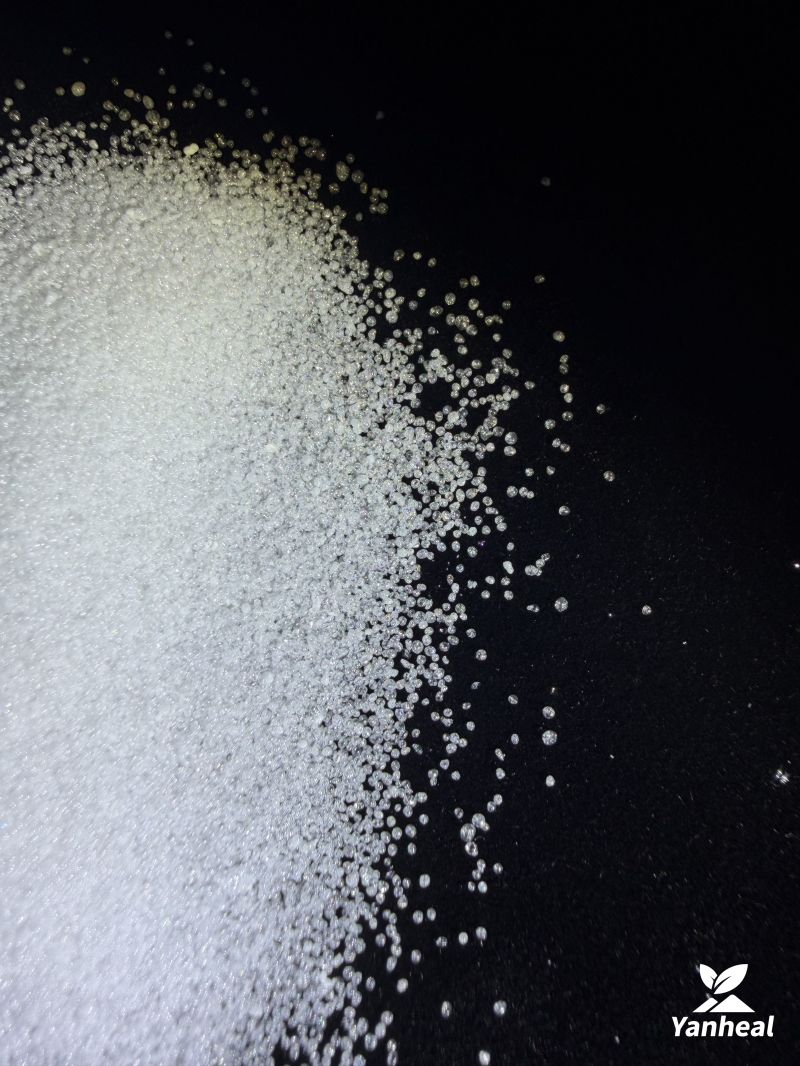
Perlite is one of the raw materials for lightweight plaster. How to choose the right perlite?
-
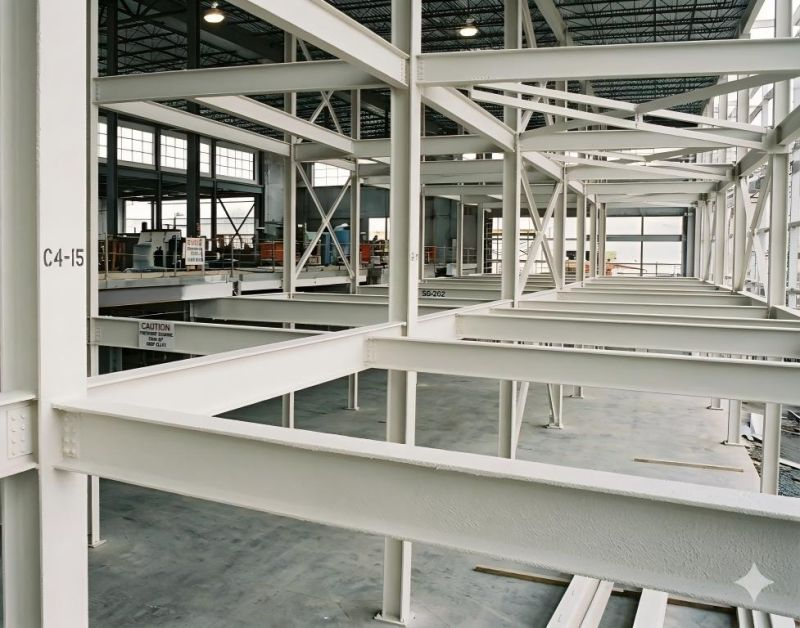
Superior Applications of Closed-Cell Perlite in Fire-Retardant Coatings
-
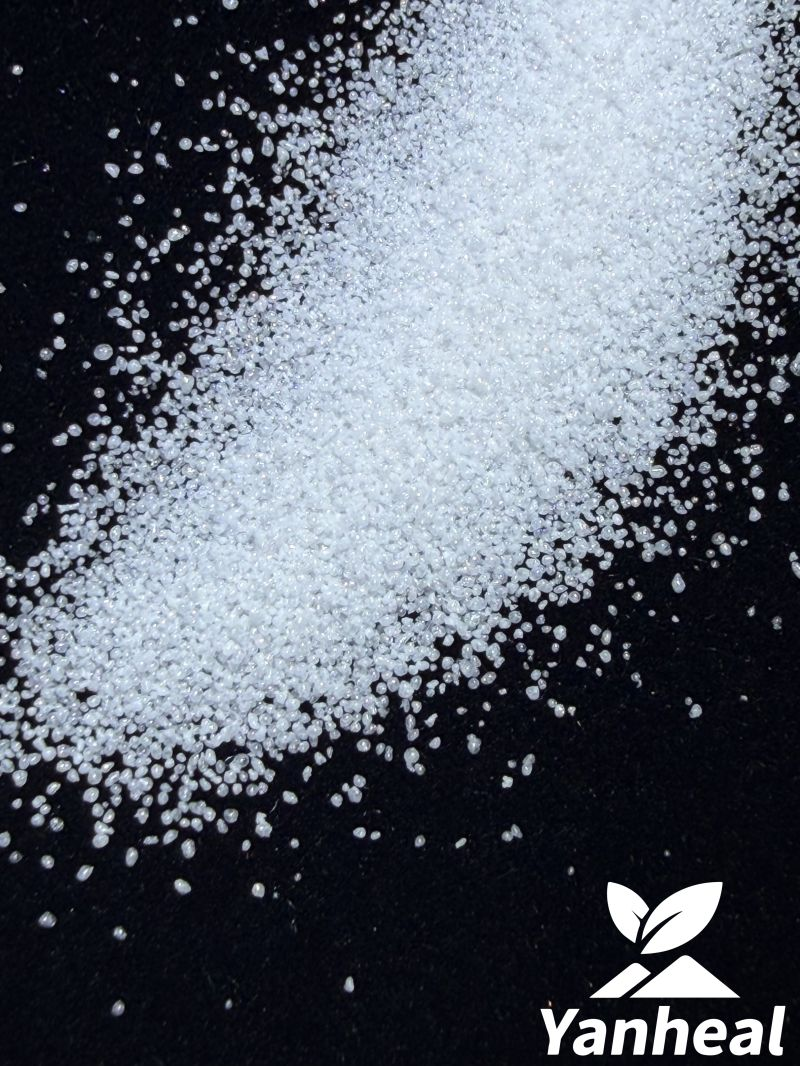
Microspheres for coatings - Yanheal 550 (magnification)

- Contact Us
- Room 501, 5th Floor, Caisheng Building, No. 15 Longhua Road, Datong Street, Longhua District, Haikou City, Hainan Province
- Website: https://www.yanheal.com
- Email: info@yanheal.com
- Mobile: +86 15139791502
Leave a message
- Follow Us


